
Your cart is empty Continue Shopping
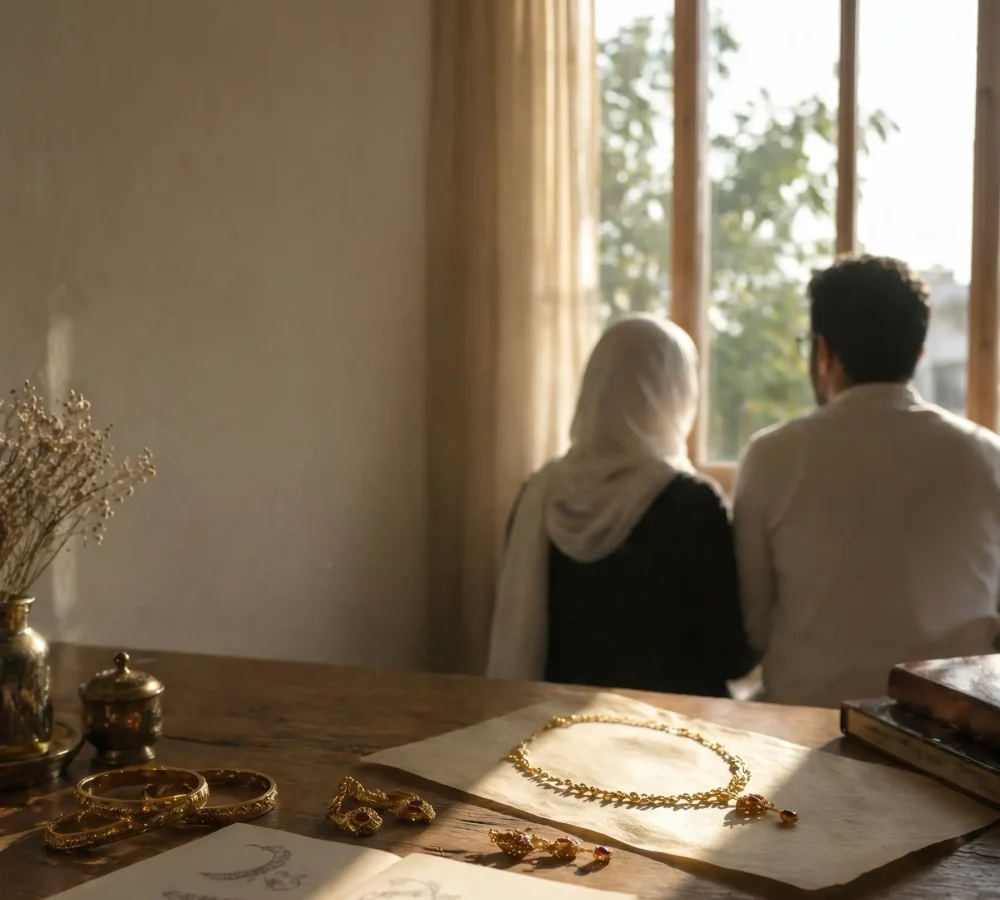
He watched her. The way she would light up talking about a design she had seen. The way she would describe what was missing in the market — jewellery that felt rooted in Indian tradition but looked clean and modern. Jewellery that wasn't reserved for weddings and special occasions but could be worn on an ordinary Tuesday morning and still make a woman feel extraordinary.
He recognised something in what she was describing. Not just taste — a vision.
So he said — let's build it.
She named it Mifa. A word that belonged entirely to them, carrying no borrowed meaning from another language or tradition. Clean, soft, feminine. A blank canvas they could fill with their own story.
She became the heart of Mifa — the one who selects every design, who understands what Indian women actually want to wear, who holds the brand's soul in her hands.
He became the hands that built the platform — the website, the brand identity, the marketing, the systems that would carry her vision to every woman in India.